
How to Care for Your Dog’s Joints? A Complete Guide for Owners of Puppies, Active Dogs and Seniors
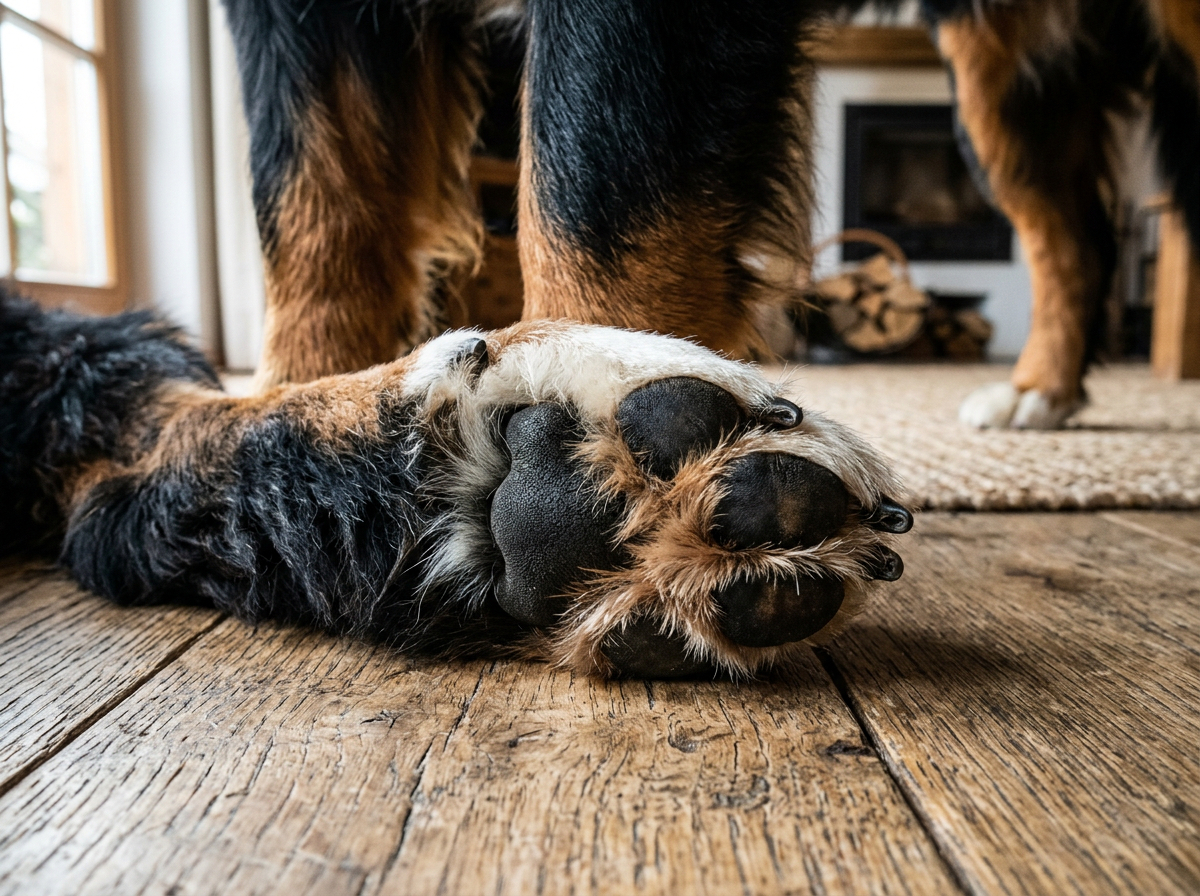
Joints are literally the foundation of everything for a dog. They allow your dog to run out for a walk, jump with joy when you come home, or simply lie down comfortably and rest. And yet joint care is something most owners only start thinking about when their dog begins to limp – or can barely get up from the floor in the morning.
There is one simple rule: the sooner you start, the better. Joints do not wear out overnight. It is a slow, subtle process – and that is exactly what makes it so tricky.
In this article, we will go through joint care step by step – from puppies to active dogs and senior dogs. We will also show you that proper care does not have to be complicated or expensive. You just need to know what to focus on.
Puppies and young large breeds: the foundation that affects their whole life
If you have a puppy of a large or giant breed at home – Labradors, German Shepherds, Great Danes, Bernese Mountain Dogs or Irish Wolfhounds – you should know that this growth period is exactly when the future condition of your dog’s joints is being shaped for the next 5, 8 or 10 years.
Large breeds grow incredibly fast. Bones, cartilage, ligaments and tendons develop under enormous stress and in a very short time. Any mistake during this period – whether unsuitable food, overloading or a poor sleeping surface – may only become visible years later.
What to focus on with a puppy
Nutrition and supplements
Food for large-breed puppies should contain chondroprotective substances – glucosamine, chondroitin and MSM. These substances support the formation and regeneration of joint cartilage. Collagen is equally important, as it forms the basic building material of cartilage and ligaments. Give it as a supplement – tablets, powder or special treats.
Reasonable movement
Sometimes less is more. The joints and ligaments of a growing dog need protection – avoid sudden jumps, hard surfaces and excessive strain. Movement on soft ground such as grass or forest paths is ideal, as is swimming, which strengthens muscles without overloading the joints.
Where your dog sleeps matters
A growing dog spends a large part of the day sleeping and resting. If it lies on cold tiles or on a thin bed that provides no real support, the joints and spine remain in a poor position during every rest.
An orthopedic memory foam mattress adapts to the exact shape of the puppy’s body, distributes its weight evenly and supports correct posture at the very time when the musculoskeletal system is still developing. It is prevention that pays off – and it is much cheaper than veterinary treatment for dysplasia or arthritis in adulthood.
CoolPet tip: For large-breed puppies, choose a mattress with enough extra space – your dog will grow faster than you expect. A solid memory foam slab keeps its shape and supportive properties throughout its lifetime.
Active dogs: joints under performance pressure
Agility, canicross, flyball, rescue training or hunting dogs in the field – active dogs are amazing. But their joints, tendons and muscles face extraordinary stress every day. For sporting dogs, recovery is just as important as performance itself.
What to focus on with an active dog
Nutrition for performance and recovery
In addition to chondroprotective substances and collagen, active dogs need L-carnitine, which supports muscle recovery and reduces fatigue after activity. Vitamins C and E are also important – powerful antioxidants that protect tissues from oxidative stress and support natural collagen production.
Warm-up and cool-down
Never start activity without warming up and never end it without cooling down. A short walk before performance and a light massage afterwards can significantly reduce the risk of injury and joint inflammation.
Quality rest = faster recovery
After intense activity, the body repairs micro-damage in muscles, tendons and joint capsules. This process happens during rest and sleep. If the dog lies on an unsuitable surface, recovery is slower and incomplete.
Memory foam in an orthopedic mattress supports blood flow to tissues, reduces pressure on overloaded joints and allows the body to truly recover. For an active dog, it is part of the training plan.
CoolPet tip: For active dogs, make sure the mattress has sufficient thickness and foam density according to the dog’s weight. Thin or low-quality foam, especially shredded foam, collapses quickly.
Senior dogs: when an orthopedic mattress becomes almost essential
Age brings changes that cannot be stopped – but they can be significantly slowed down. Joint cartilage wears down, muscles weaken and inflammation becomes more common. Arthritis is very common in dogs over 7 years old.
Signs that your senior dog needs more joint care
- Gets up slowly in the morning and needs time to “walk it off”
- Hesitates to jump into the car or onto the sofa
- Limping or noticeably more tired after a longer walk
- Seeks out soft surfaces
- Groans when getting up or lying down
What to focus on with a senior dog
Tailored nutrition
Give chondroprotective substances, collagen and supplements containing boswellia, turmeric or extracts from marine organisms with anti-inflammatory effects. Weight control is also essential.
Movement, yes – but wisely
Shorter, regular walks on soft ground are better than one long intense walk. Swimming is an ideal form of movement.
Regular veterinary check-ups
Musculoskeletal check-ups should become part of the routine. Physiotherapy can significantly improve mobility and reduce pain.
A proper sleeping place as the foundation
An older dog spends more time resting. A hard surface worsens pain and inflammation. An orthopedic memory foam mattress distributes weight evenly, eliminates pressure points and supports deep, regenerative sleep.
CoolPet tip: For senior dogs, choose a mattress with a higher foam thickness, for example 10 cm or more. Avoid shredded fillings that lose their supportive function.
Joint care overview by age and activity
| Group | Nutrition & supplements | Movement | Sleeping place | Vet |
|---|---|---|---|---|
| Large-breed puppy | Glucosamine, chondroitin, MSM, collagen | Soft ground, swimming, no sudden jumps | Orthopedic mattress – prevention | Growth check-ups, X-ray if needed |
| Active dog | Chondroprotective substances, collagen, L-carnitine, vitamins | Warm-up, massage, recovery | Orthopedic mattress – recovery | Joint check-ups, physiotherapy |
| Senior dog 7+ years | Chondroprotective substances, collagen, anti-inflammatory supplements | Shorter regular walks | Orthopedic mattress – essential | Regular check-ups, X-ray |
5 golden rules for healthy dog joints
- Watch the weight. Excess weight significantly increases pressure on the joints.
- Avoid risky movements. Sudden jumps and hard landings damage the joints.
- Focus on sleep quality. A dog sleeps up to 60% of its life – a quality mattress is essential.
- Do not underestimate supplements. They support the regeneration of joint cartilage.
- Visit the vet regularly. Early diagnosis saves health and costs.
Conclusion: Healthy joints are not a coincidence – they are the result of care
Caring for dog joints is the result of everyday decisions – what you feed your dog, how you exercise together, where your dog sleeps and how often you visit the vet. The sooner you start, the greater the chance you give your dog for a long and active life.
A CoolPet orthopedic mattress made from a solid memory foam slab provides real support during every rest – no shredded foam, no compromises. Whether your dog is 3 months or 13 years old.
Healthy joints mean an active life. And an active life means a happy dog.
Notice: The information in this article is for informational purposes only. If your dog shows signs of joint problems, always consult a veterinarian or veterinary physiotherapist.
CoolPet is a Czech manufacturer of orthopedic mattresses for dogs of all sizes. Our mattresses are made from solid slabs of the highest quality memory foam – no shredded foam, no compromises.